
Une leçon de “La Dolce Vita” - Depuis une table à Milan
Il existe une idée fausse selon laquelle la haute cuisine se résume à la seule précision, à la performance et à la perfection. En Milan, on m'a rappelé qu'il s'agit en réalité de quelque chose de bien plus humain…
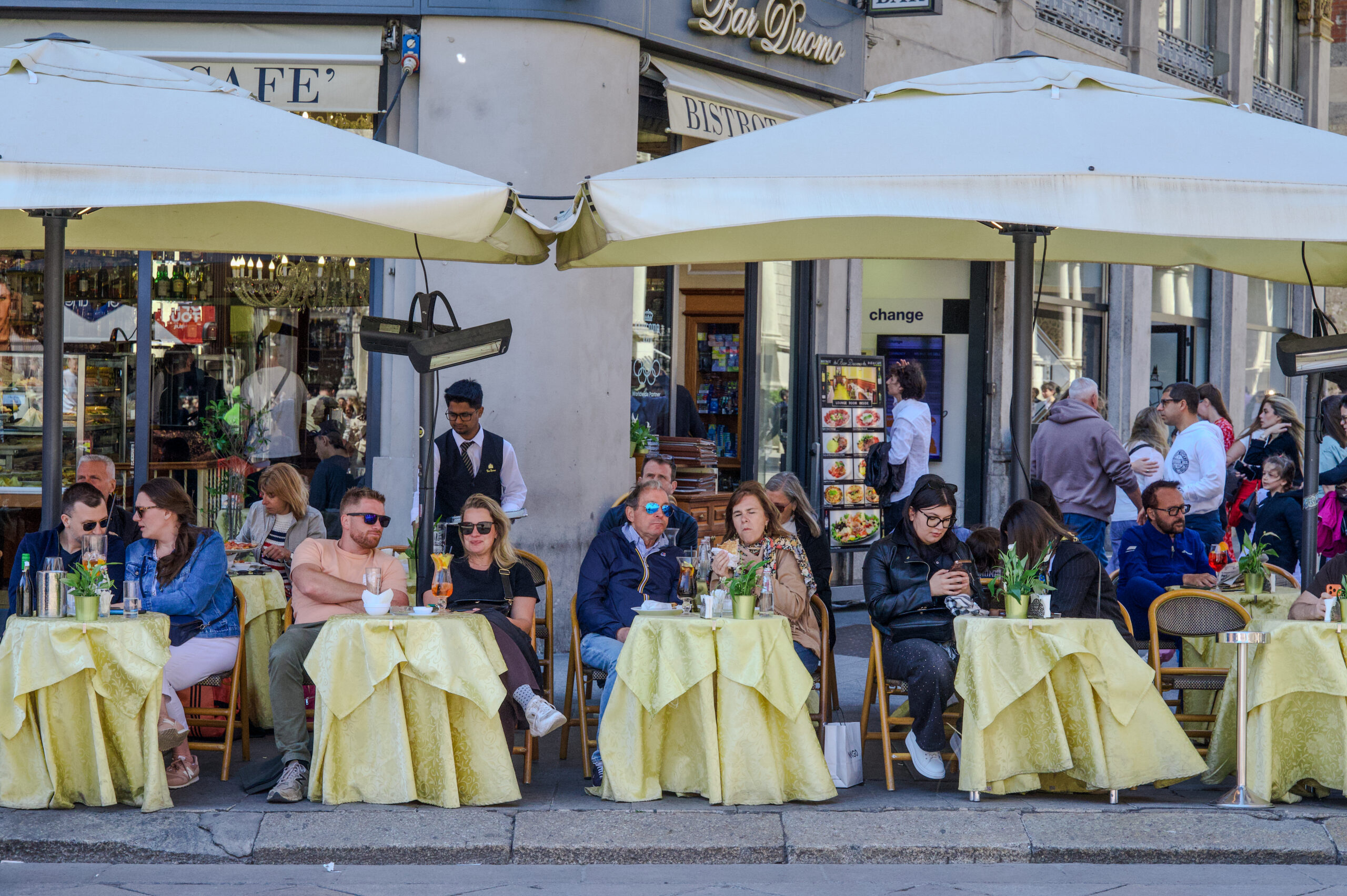
Je me suis récemment retrouvé assis dans un restaurant italien raffiné au cœur de Milan, m'attendant à un repas exquis — et j'en ai eu un. Mais ce qui est resté avec moi bien plus longtemps que le goût de la nourriture, c'est le expérience qui l'accompagnaient. L'Italie ne sert pas seulement des plats ; elle sert une philosophie — et d'un point de vue de l'étiquette, c'est l'une des expressions les plus raffinées de la culture gastronomique dans le monde.
Dîner sans précipitation
Ce qui m'a le plus frappé, c'est le rythme — ou plutôt, l'absence de hâte.
En Italie, les repas ne sont pas transactionnels. Il n'y a pas de serveur qui tourne autour, aucune pression subtile pour “faire tourner les tables”. Au lieu de cela, il y a de l'espace — pour la conversation, pour le rire, pour les pauses. Les plats arrivent avec intention, pas avec vitesse. C'est la dolce vita — la douceur de vivre. Et à table, cela se traduit par une idée simple mais puissante : Tu es censé rester.
Ce rythme plus lent n'est pas accidentel — il reflète un profond respect culturel pour la présence, la connexion et le temps partagé.
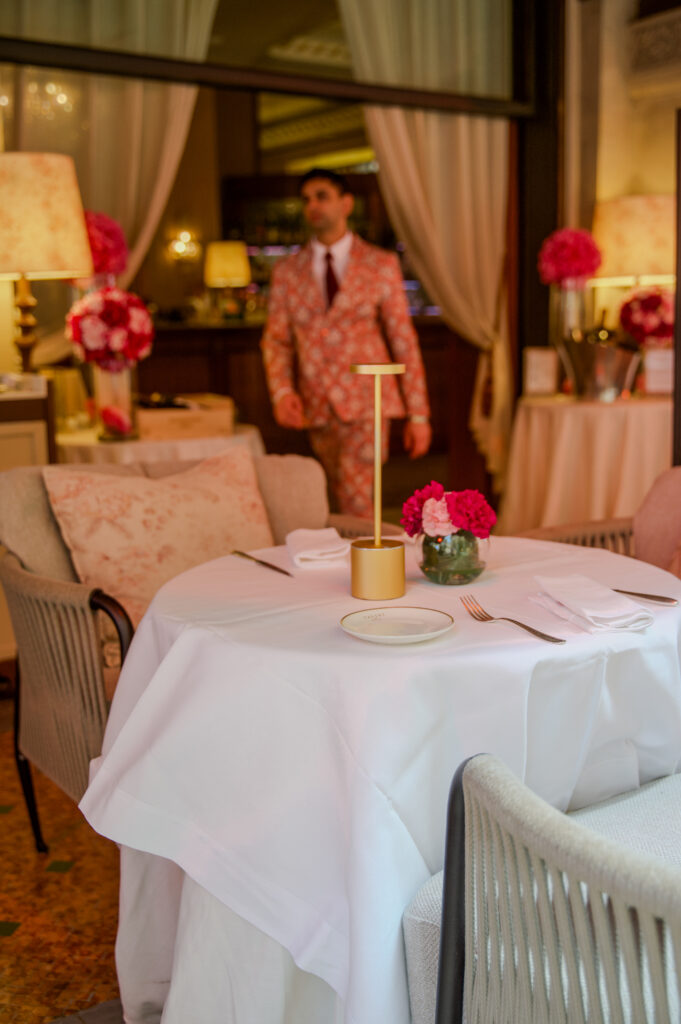
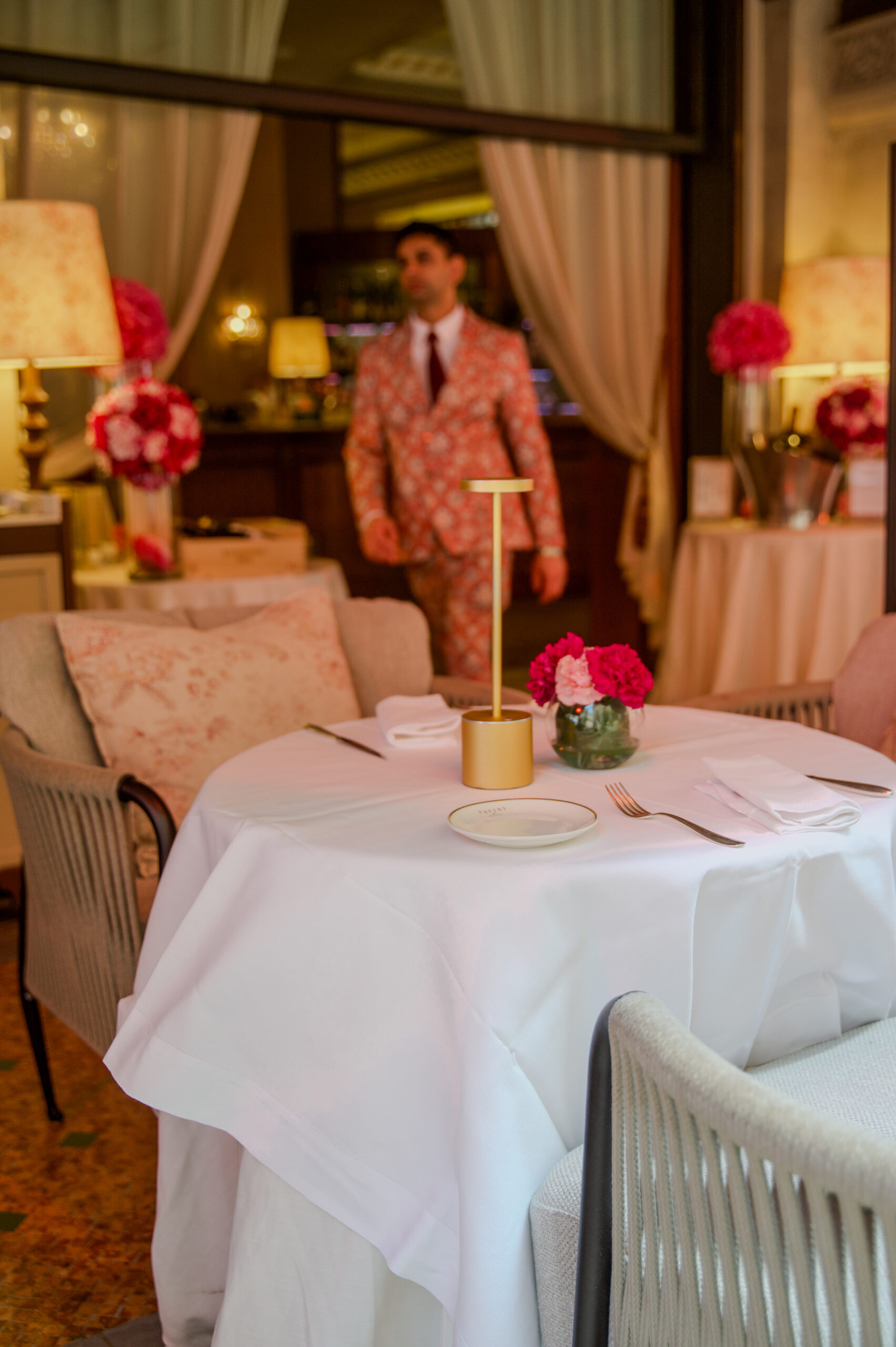
Expérience gastronomique à Milan
Le langage subtil du service
L'un des aspects les plus élégants de la haute cuisine — pas seulement en Italie, mais dans les restaurants haut de gamme du monde entier — est la communication tacite entre le client et le personnel.
Vous remarquerez peut-être que les serveurs n'interrompent pas votre conversation pour vous demander si vous êtes prêt à commander. Au lieu de cela, ils observent. Un petit geste mais significatif entre en jeu : une fois que vous avez pris votre décision, vous simplement fermez le menu et posez-le. Ce n'est qu'alors que le serveur s'approchera de votre table.
En matière d'étiquette, je souligne toujours ce détail à mes clients — c'est un signal universel de haute gastronomie qui vaut la peine d'être retenu. Il permet au service d'être discret plutôt qu'intrusif, créant un sentiment de fluidité et de discrétion qui définit une hospitalité véritablement raffinée.
Ce qui définit une expérience gastronomique italienne haut de gamme
Le luxe, dans ce contexte, n'est pas ostentatoire. Il est réfléchi.
Dans les restaurants gastronomiques, vous pouvez vous attendre à des détails qui rehaussent l'expérience discrètement mais sans équivoque :
- Les chaises sont souvent garnies de coussins moelleux, et ils ne sont pas purement décoratifs. Bien qu'ils complètent magnifiquement le décor, leur véritable objectif est de soutenir une bonne posture, vous aidant à vous asseoir droit et confortablement pendant un repas prolongé.
- Couverts en argent poli, parfaitement équilibrés en main
- Nappes en lin froissées et serviettes en lin pliées avec soin
- Des fleurs fraîches sur la table — jamais envahissantes, toujours intentionnelles
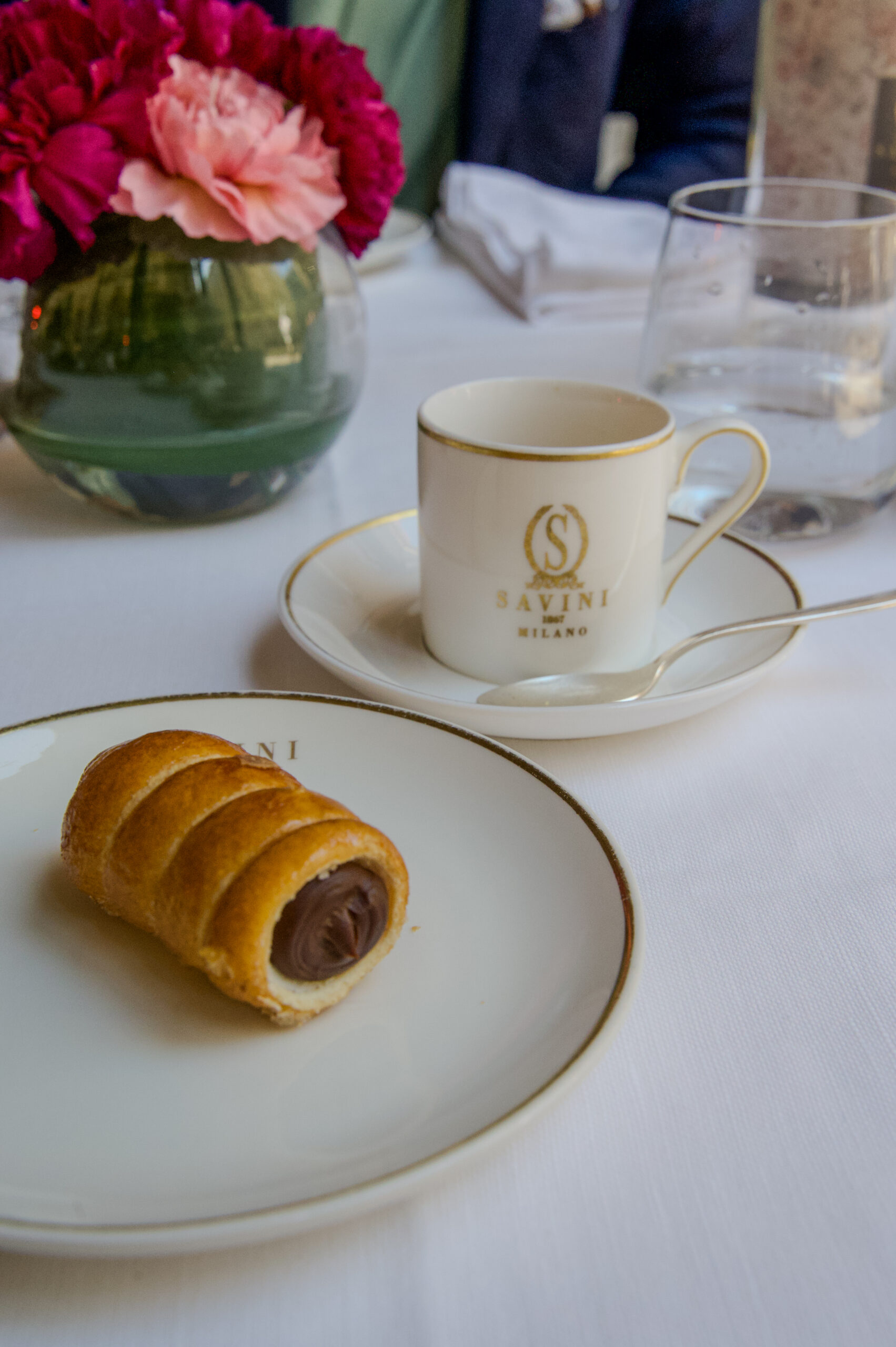
- Assiettes soigneusement composées, souvent plus petites en portion mais riches en savoir-faire.
- Un service attentionné et discret qui anticipe plutôt qu'il n'interrompt
Rien n'est accidentel. Chaque élément est choisi avec soin pour soutenir un seul objectif : pour vous permettre de vous immerger pleinement dans l'instant.
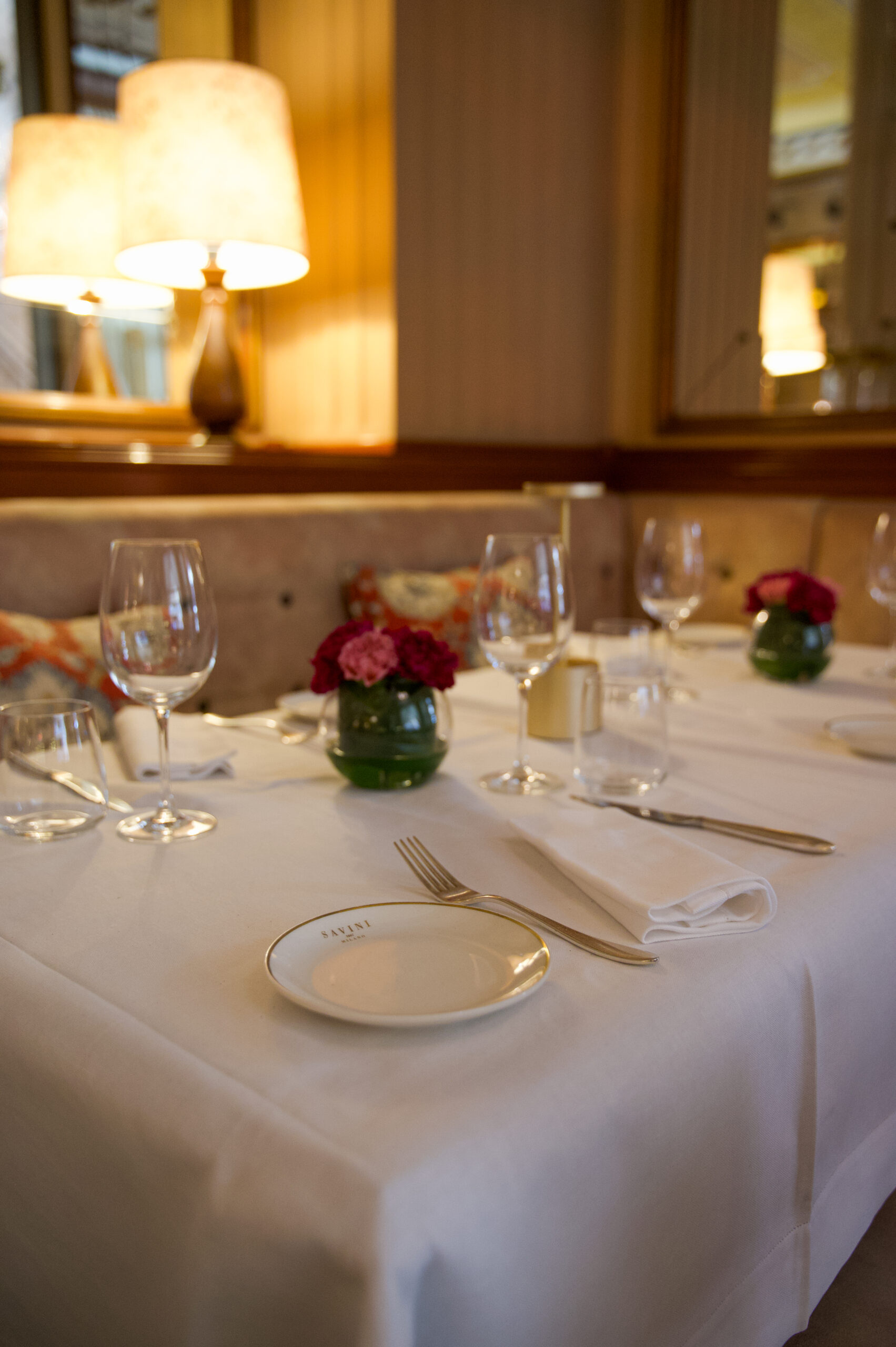
Le sens derrière “Coperto”
L'un des derniers détails que vous pourriez remarquer — souvent seulement lorsque l'addition arrive — est une ligne intitulée couvert.
Couvert — littéralement “ couverture ” — est un droit traditionnel facturé par personne dans les restaurants italiens. Historiquement, cela remonte au Moyen Âge, lorsque les voyageurs payaient l'utilisation d'une table, de couverts et d'un abri, même s'ils apportaient leur propre nourriture.
Aujourd'hui, le couvert a évolué. Il ne s'agit plus de nécessité, mais de l'hospitalité et le rituel du repas. Je le vois comme un signal culturel : vous ne payez pas seulement pour ce que vous consommez, mais pour l'environnement dans lequel vous le vivez. Il couvre généralement des éléments tels que :
- Du pain frais fut apporté à la table
- Serviettes et nappes en lin
- Le service et l'ambiance dans l'ensemble
Il est important que ce soit pas une astuce, ce n'est pas non plus un coût caché. C'est une constante culturelle - une reconnaissance silencieuse qu'en Italie, la table elle-même fait partie de l'expérience.
Pensée finale
Manger à Milan m'a rappelé que la vraie étiquette ne repose pas sur des règles rigides, mais sur la conscience. Conscience de l'espace, des gens et de l'expérience dans son ensemble.
En tant que spécialiste de l'étiquette, je crois que ces nuances transforment un repas en quelque chose de mémorable.
Car en Italie, un repas n'a jamais été qu'une question de ce qu'il y a dans l'assiette. C'est une question de ce qui se passe autour.
Royal Copenhagen : Une tasse à thé, une tradition et un guide d'étiquette
Royal Copenhagen : Une tasse de thé, une tradition et la beauté intemporelle de l'élégance danoiseEn juin, j'ai eu le plaisir de visiter Copenhague pour la première fois, marquant ainsi mon premier voyage au Danemark. Au cours de ce voyage mémorable, j'ai eu la joie d'explorer le Royal Copenhagen...
Naviguer dans la culture omanaise : Conseils d'étiquette pour votre prochain voyage
Naviguer dans la culture omanaise : Conseils d'étiquette pour votre prochain voyageSi vous cherchez un guide simple pour vous préparer à votre voyage, cet article pourrait vous être très utile. Voyager au Moyen-Orient pour la première fois de ma vie cette année a été un grand événement. C'était mon...
Super contenu ! Continuez comme ça !