
Swiss Business Apéro:
a STEP-BY-STEP guide on how to behave
If you’re arriving here from LinkedIn, consider this blog post a more practical continuation. Where the LinkedIn article explored the meaning of the Swiss apéro, this guide focuses on the lived experience — how it feels, how it flows, and how to move through it with ease and confidence.
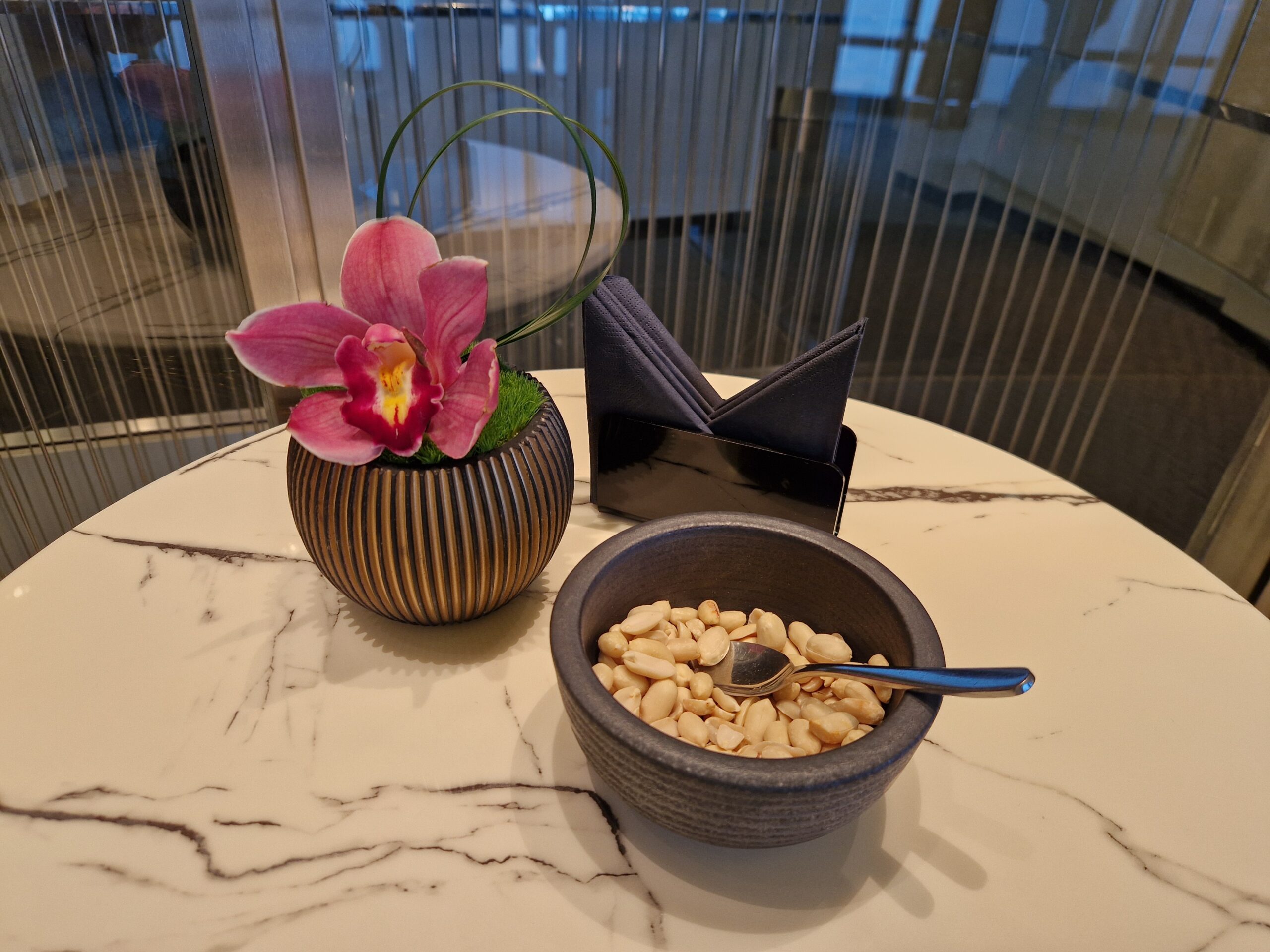
Swiss Business Apero
What to Talk About (and What to Avoid)
- Light work-related themes (projects, industries, general roles)
- Neutral observations (the event, the venue, the season)
- Shared professional context
- Strong opinions
- Excessive self-promotion
- Complaints about work, colleagues, or management
Joining a Conversation
- Approach from the side, not from behind.
- Make brief eye contact with one person before speaking.
- A simple opening, such as “May I join you?” or a light comment related to the setting, is sufficient.
Avoid abrupt topic changes. Let the existing conversation guide you in.
Arrival: How to Enter the Room
- Take a brief moment to observe the room.
- Note the tone: volume, conversation pace, and group size.
- Collect a drink before approaching others — it gives you a natural anchor and avoids interrupting service flow.
A short pause signals social awareness, not hesitation.
Managing Drink, Food, and Body Language
- Hold your glass in your non-dominant hand to keep your dominant hand free for greetings.
- Take small bites only when the conversation naturally pauses.
- Maintain an open posture; avoid crossing arms or turning away mid-conversation.
If you are carrying a bag, place it behind you or between your feet — never on the table.
Introductions and Names
- Introduce yourself briefly: name and role are enough.
- Repeat the other person’s name naturally during the conversation.
- If introduced to several people, focus on remembering at least one name well.
Before leaving the conversation, repeat the name — it anchors recognition.
How and When to Leave
- Stay long enough to have at least one meaningful interaction.
- Leave before energy drops — not after.
- Exit conversations with a clear, polite closing: “It was lovely speaking with you.”
Leaving on time shows respect for both the event and the people.
Following Up
- Send a short follow-up message within a few days.
- Reference the context of your conversation.
- Keep it light and professional.
No pressure, no urgency.
The Swiss business apéro is not about standing out. It is about fitting in — calmly, attentively, and respectfully. Those who succeed are rarely the loudest or most visible. They read the room well, listen carefully, and leave others feeling at ease. Etiquette here is not performance. It is present.
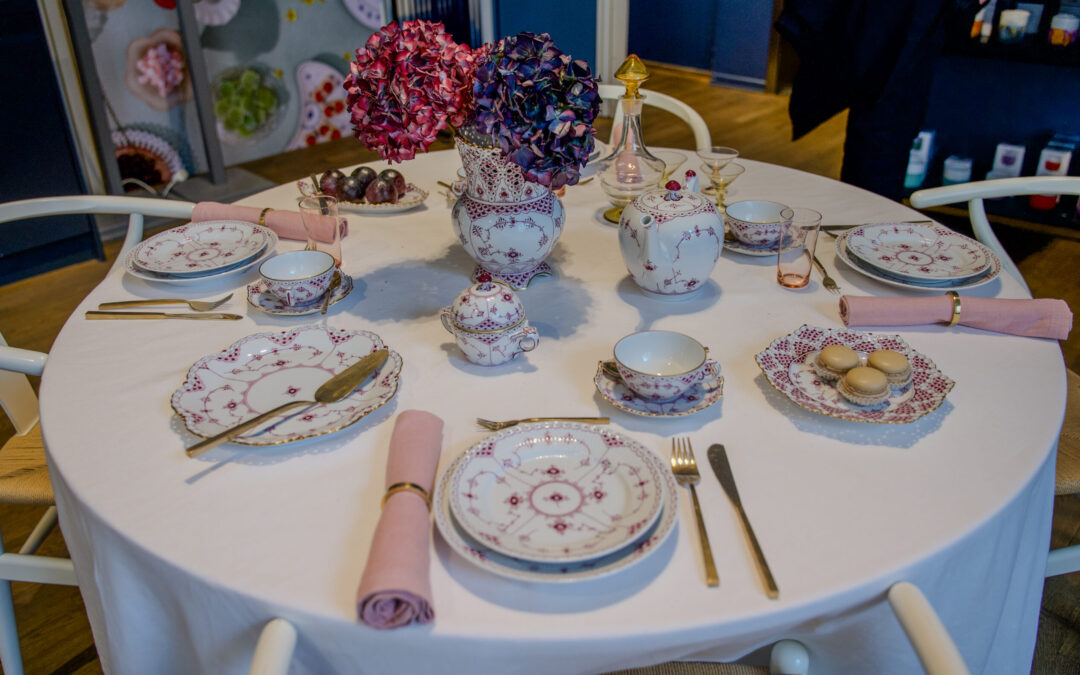
Royal Copenhagen: A Teacup, a Tradition & Etiquette Guide
Royal Copenhagen: A Teacup, A Tradition, and The Timeless Beauty of Danish EleganceIn June, I had the pleasure of visiting Copenhagen for the first time, marking my debut trip to Denmark. During this memorable journey, I had the joy of exploring the Royal Copenhagen...
Navigating Omani Culture: Etiquette Tips for Your Upcoming Trip
Navigating Omani Culture: Etiquette Tips for Your Upcoming TripIf you are looking for a simple guide on how to prepare yourself for your trip, you might find this post very handy. Traveling to the Middle East first time in my life this year was a big event. It was my...
Q1
What is proper etiquette in Switzerland when dining?
A
Swiss dining etiquette includes waiting for everyone before eating, keeping hands on the table, and being polite and punctual.
Q2
Is tipping part of etiquette in Switzerland?
A
Yes, tipping is appreciated in Switzerland, but service is usually included. Rounding up the bill is common.
Q3
What are common dining mistakes in Switzerland?
A
Talking loudly, starting to eat before others, or placing hands in your lap are common etiquette mistakes.