
Etiquette Switzerland: Complete Guide to Swiss Dining & Table Manners
Dining Culture in Switzerland
Understanding etiquette in Switzerland is essential for anyone dining with locals. Swiss dining etiquette reflects respect, punctuality, and proper table manners. Whether you are eating in a restaurant, a private home, or a business setting, knowing Swiss etiquette will help you avoid embarrassing mistakes and make a great impression.
It may be a small country, yet its dining etiquette is rich with cultural layers. Influenced by Swiss precision, French refinement, and Italian hospitality, Swiss table manners offer a unique lesson in international dining etiquette— one that values respect, restraint, and cultural awareness above all else.
Understanding Swiss dining etiquette is not about learning rigid rules. It is about recognising subtle differences and responding with quiet confidence.
At the heart of Swiss etiquette lies a shared mindset. Meals are structured yet relaxed, elegant yet understated. Good manners are expected, but never displayed for attention.
Across all regions of Switzerland, dining culture is shaped by:
-
Punctuality
-
Calm, composed behaviour
-
Respect for order and personal space
-
Moderation in food, drink, and conversation
This common foundation allows regional influences to express themselves gracefully.
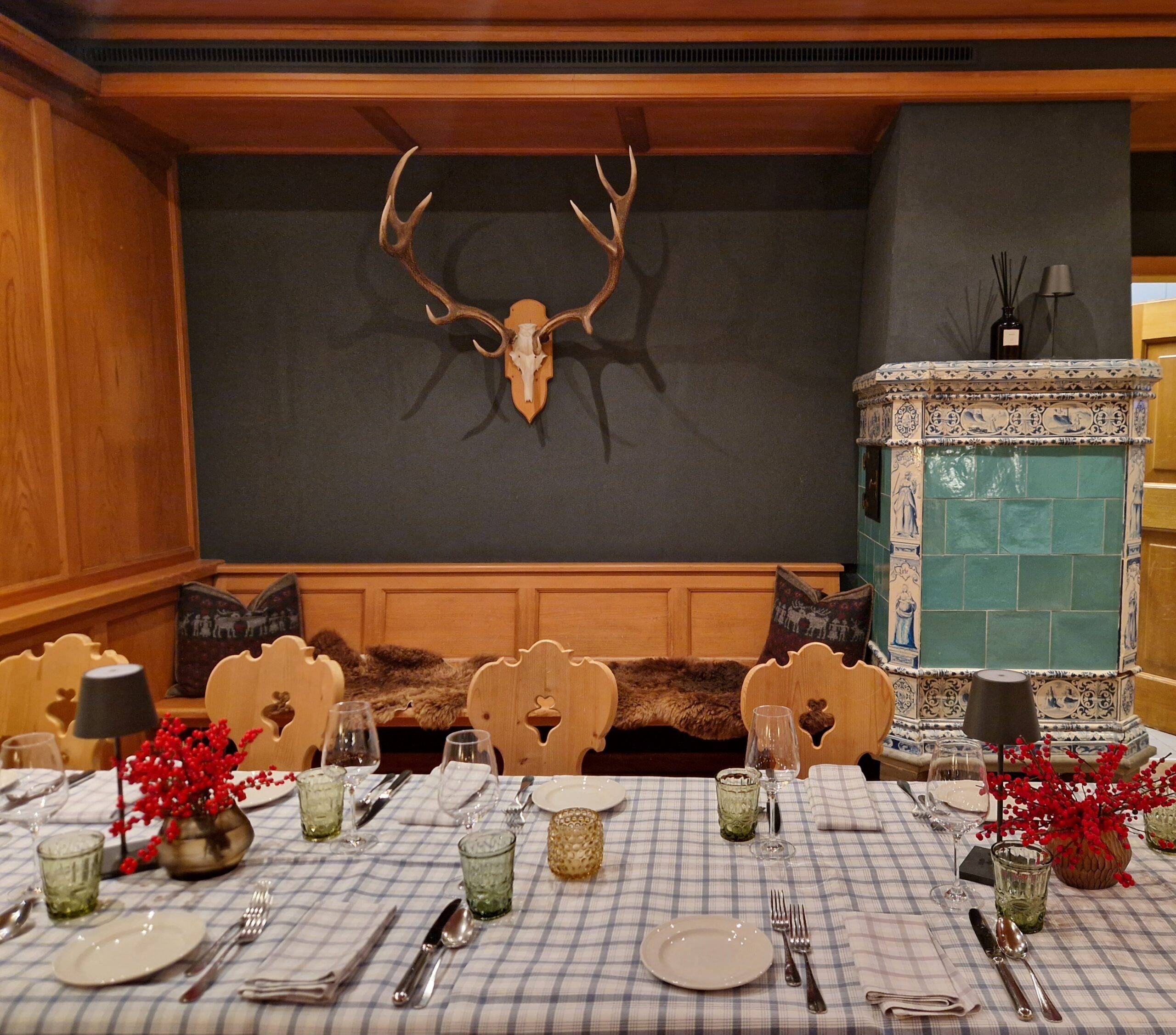
Table Manners in Switzerland
Swiss dining etiquette begins before you sit down. Arriving on time is essential and a sign of respect, whether dining in a private home or a restaurant. Guests arrive early to attend a brief talk, familiarize themselves with the venue, and relax before being seated. This part is never rushed. Quite on the contrary, it is embraced. Being late, even socially, is noticed. Arriving exactly on time — or just a few minutes early — is considered ideal.
When you arrive at the table, it is customary to greet everyone present. In more formal settings, a handshake may be exchanged; in social situations, a warm verbal greeting is sufficient.
Seating follows a distinctly Swiss tradition. The place of honour is typically in the middle of the table, often along one side, rather than at the head. The host or hostess usually remains at the head of the table, guiding the flow of the meal rather than seeking prominence. Guests wait to be invited to sit and to begin eating.

Dining Etiquette in Switzerland
Table Manners in Switzerland
Swiss table manners reflect the country’s preference for discretion:
-
The continental style of cutlery is used: fork in the left hand, knife in the right
-
Hands remain visible, with wrists resting lightly on the table.
-
Elbows stay off the table while eating.
-
Eating is unhurried and composed.
Silence is not uncomfortable in Switzerland. Conversation is welcome, but not constant or loud. Listening is valued just as much as speaking.
Table etiquette closely follows classical European (Continental) dining rules. After you have finished your meal, the position of your utensils sends a clear, silent signal to the server:
-
The knife and fork are placed together on the plate.
-
Both should lie parallel, pointing roughly to 4–5 o’clock.
-
Knife on the right, blade facing inward.
-
Fork on the left, tines facing upward.
-
The handles should rest neatly on the rim of the plate.
Toasting in Switzerland is understated and sincere, reflecting regional linguistic traditions.
-
In German-speaking Switzerland, the toast is “Prost”.
-
In French-speaking Switzerland, “À votre santé” or simply “Santé”.
-
In Italian-speaking Switzerland, “Salute”.
When toasting:
-
Wait until everyone has a drink.
-
Please make eye contact when you raise glasses. Although clinging to glasses is not proper etiquette, it is still common in Switzerland.
-
Please don’t stand up or move around the table once seated.
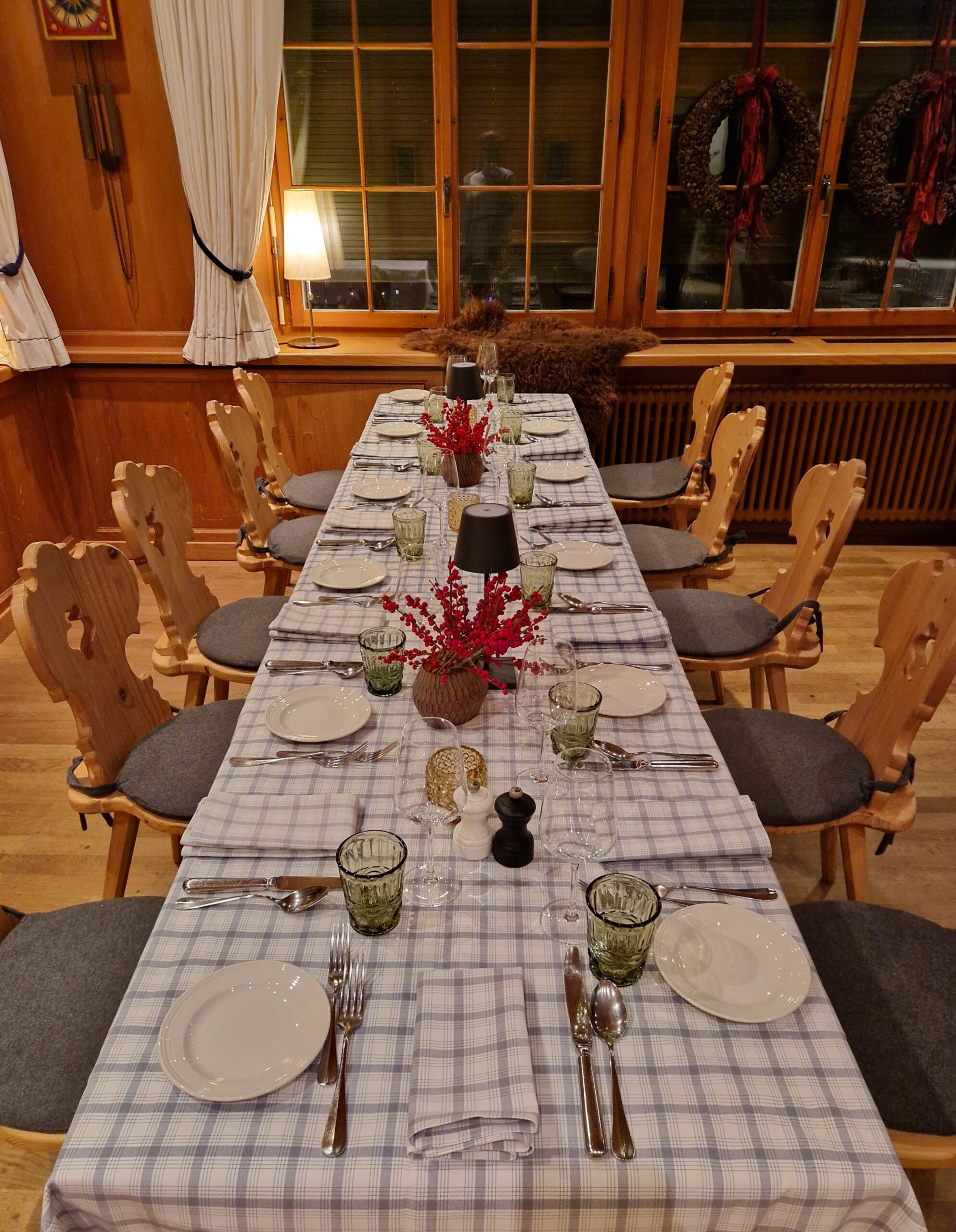
Restaurant Etiquette Switzerland
Tipping Etiquette in Switzerland
In restaurants, Swiss dining etiquette continues to favour calm and courtesy – voices are kept low, phones at the table are discouraged, and staff are treated politely and respectfully.
Regarding tipping, Swiss restaurants usually include a 10% service charge in the bill. Additional tipping is modest and optional; rounding up the total or leaving a small amount is sufficient. Excessive tipping is neither expected nor customary.
Ending the meal in Switzerland
The end of a meal is handled as thoughtfully as its beginning.
-
Cutlery is placed on the plate to signal completion.
-
Guests thank the host personally.
-
In private homes, overstaying is avoided — time is respected.
A graceful departure leaves a lasting impression.
Swiss dining etiquette teaches us that elegance lies not in formality, but in attentiveness. When you observe, adapt, and act with consideration, you move through any dining setting with ease—quietly confident and effortlessly polite. And that is etiquette at its finest.
I hope this guide is helpful. For more on dining etiquette and refined dining recommendations in Switzerland and beyond, you’re invited to join me on Instagram.
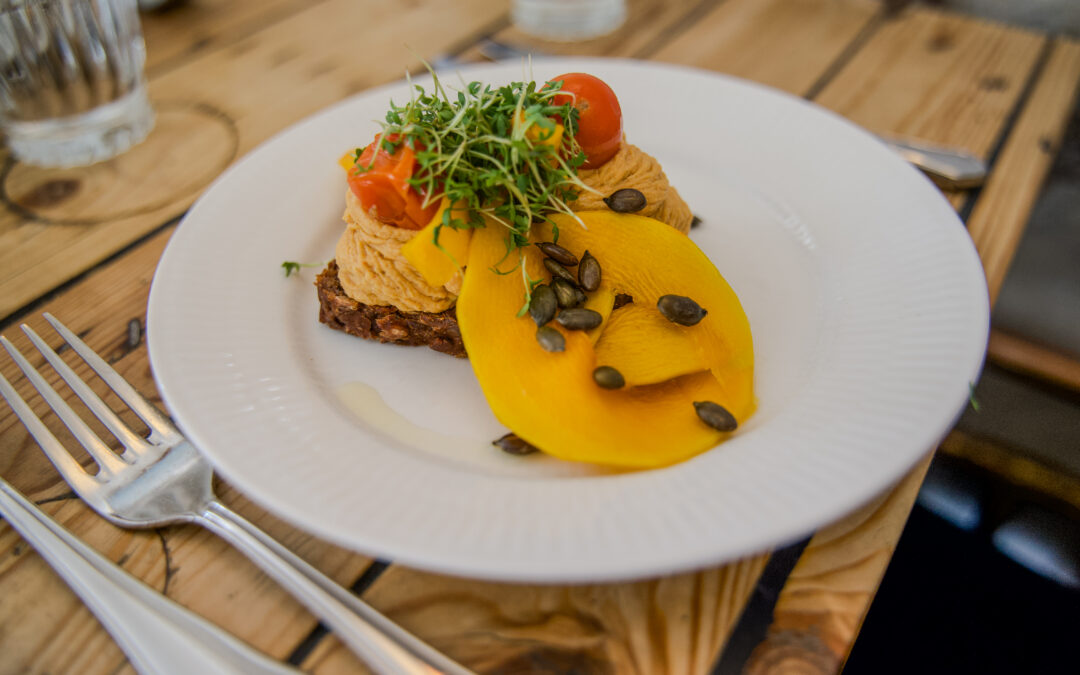
Dining Like a Dane: Smørrebrød Etiquette & Rituals
Dining Like a Dane Smørrebrød Etiquette & RitualsOne of the best ways to truly experience a new country is by tasting its local specialties. Food is a gateway into culture, and in Denmark, that means sitting down for a plate of beautifully crafted...
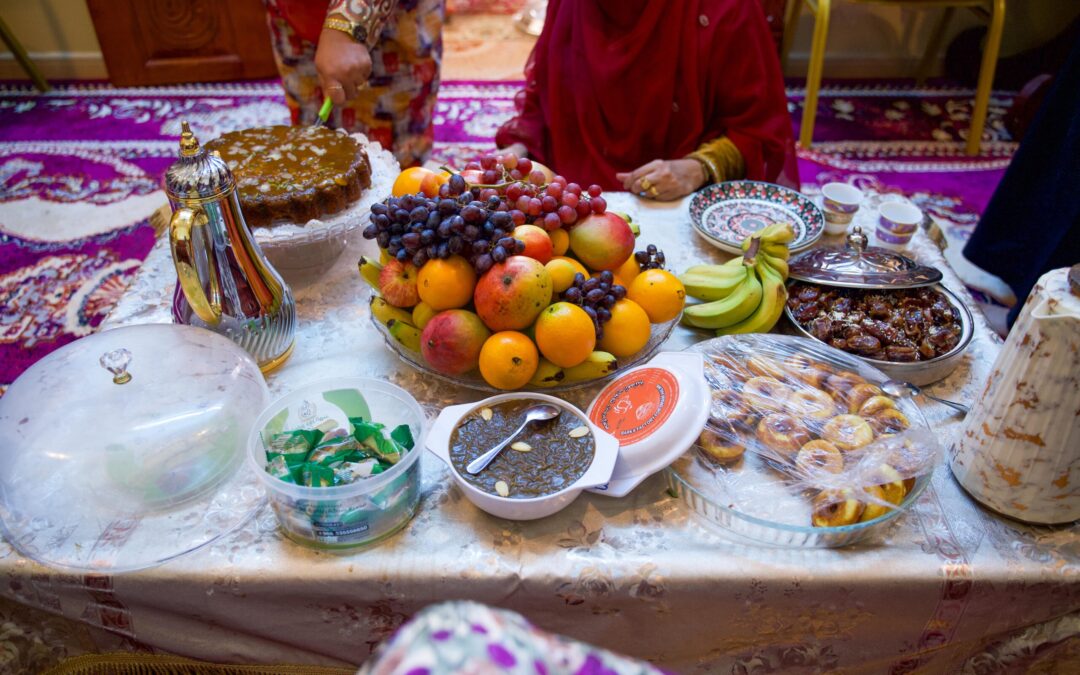
Navigating Omani Culture: The Art of Omani Kahwa: Brewing Hospitality Today
Navigating Omani Culture: The Art of Omani Kahwa: Brewing Hospitality TodayOne of the most cherished traditions in Oman is the offering of Omani kahwa, a fragrant, spiced coffee that has become synonymous with Omani hospitality. As described in my previous post, the...
Q1
What is proper etiquette in Switzerland when dining?
A
Swiss dining etiquette includes waiting for everyone before eating, keeping hands on the table, and being polite and punctual.
Q2
Is tipping part of etiquette in Switzerland?
A
Yes, tipping is appreciated in Switzerland, but service is usually included. Rounding up the bill is common.
Q3
What are common dining mistakes in Switzerland?
A
Talking loudly, starting to eat before others, or placing hands in your lap are common etiquette mistakes.